c.1008: There was a tiny Saxon chapel or church here by this time and it might have already been quite old, perhaps having been a ‘gate chapel’ within the North wall.
12th Century: The Normans built a simple church, with the surviving Arch, roughly on the line of today’s Nave and Chancel. The interior would have been dark and probably lacked seating.
13th Century: The church was rebuilt and enlarged by the addition of a square Tower at the West end and a buttressed South Aisle with South doorway. Following a probable fire the church was rebuilt again (in the traditional Norman style) with the general floor plan we see today including a North Aisle.
14th Century: The Chancel was extended Eastwards, making St Mary’s jut out into the High Street, possibly to accommodate a choir. The Churchyard Cross and a Scratch Dial on the South East of the Chancel date from this time.
15th Century: The Nave Arcades and roof of the Nave and Aisles were constructed. The North Chapel was rebuilt and incorporated into the North wall of the chancel. A porch was added.
18th Century: A gallery was squeezed in above the South Aisle for the family of Joseph Cox. Access was via an external staircase. Another gallery probably ran across the back of the church, reached by stairs in the Tower.
19th Century: A major restoration was much needed and resulted in a rebuilt South Chancel wall, roof rafters, trusses and tie beams being exposed, the roof replaced and a large East window inserted to replace the lancet window. The galleries were taken down, the dormer windows removed and new box pews, most of which remain today, were replaced.
20th Century: Dormer window replacements were inserted. The sundial on the South wall replaced the older Scratch Dial.
1981: St Mary’s church was declared redundant. It was in a bad state of repair but was restored by the people of Cricklade.
1984: Negotiations lead to a 99-year lease of the church to the Roman Catholic Diocese of Clifton.
1998: The Friends of St Mary’s was formed to provide dedicated support for this ancient building.
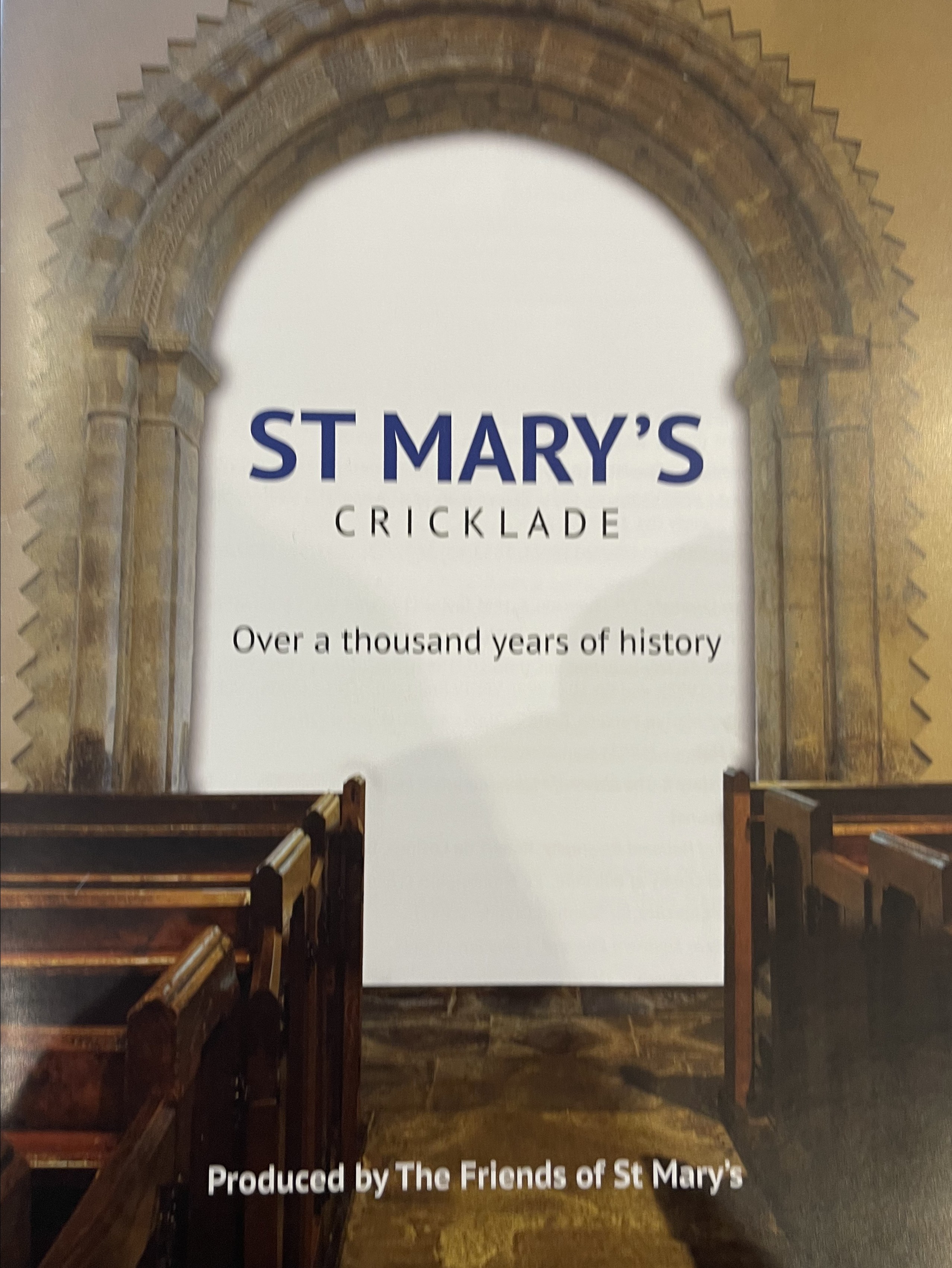
A fully illustrated guidebook is available to buy for £1 in the church. All proceeds go to The Friends.